Compassionate Wrongful Death Solicitor: Demanding Justice for Your Loved Ones
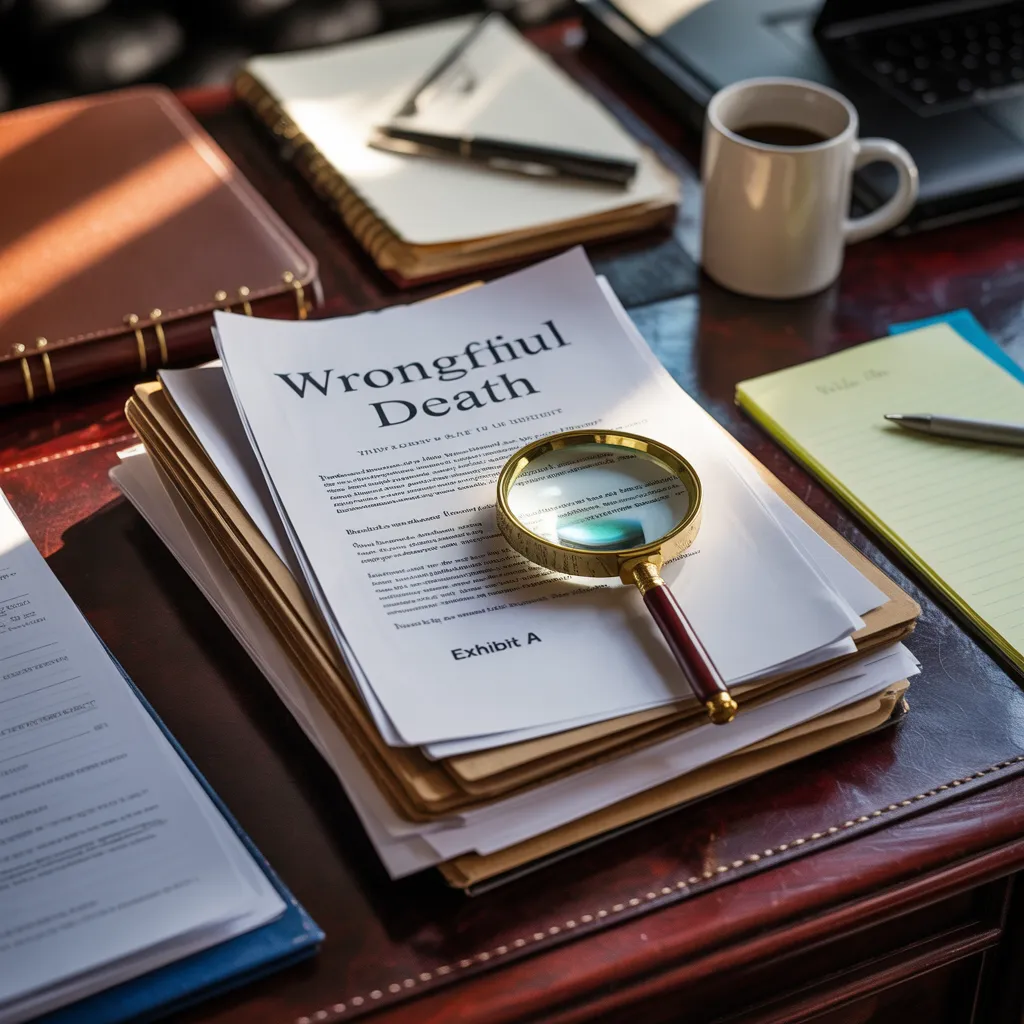
Steering through the repercussions of a wrongful demise can be taxing for families. A compassionate wrongful death attorney serves as both a legal advocate and a source of emotional support. They recognize the complexities involved in such cases and work diligently to guarantee families receive just compensation. However, the road to justice is often laden with difficulties. Recognizing what to anticipate and selecting the proper attorney is vital for achieving a satisfying conclusion.
What You Ought to Learn About Wrongful Death Claims
When a cherished family member dies away on account of someone else's neglect, it can leave relatives grappling with emotional and financial turmoil. Grasping wrongful death cases is vital for those affected by such losses. These cases emerge when a passing stems from the careless or intentional conduct of a different person. Qualifying claimants usually contain direct relatives, such as spouses, sons and daughters, and sometimes mothers and fathers or siblings, depending on state laws.
To file a claim, the bereaved must prove that the defendant's actions directly resulted in the death. This often involves collecting evidence, such as medical documentation and testimonies from witnesses. Additionally, claims for wrongful death can obtain damages for various losses, including funeral expenses, foregone earnings, and psychological distress. Each state has particular time limits for submitting a claim, known as statutes of limitations, requiring it for families to comprehend their legal rights promptly.
How a Humane Fatality Due to Negligence Legal Professional Can Lend Support
A caring wrongful death attorney is instrumental in assisting families through the difficulties of legal procedures following a devastating event. They provide both emotional support and legal guidance but also assist with understanding financial compensation. Their professional expertise can alleviate hardship during a difficult season, helping families dedicate themselves to recovery and restoration.
Learning About Legal Pathways
Handling the complexities of wrongful death claims demands expertise and compassion, making a compassionate wrongful death attorney a crucial ally. These legal experts assist families through the detailed procedures involved in filing a claim, making sure they understand their rights and options. They investigate the circumstances of the death, gather necessary evidence, and consult with experts to construct a strong case. A wrongful death attorney also manages the legal system’s intricacies, advocating for adequate compensation that reflects the loss suffered. By providing tailored legal strategies, they support clients in making informed decisions, enabling families to concentrate on healing while their pursuit of justice is properly handled. This support is essential during a time of deep grief and uncertainty.
Emotional Help Services
Guiding families through the aftermath of a wrongful death can be intense, making emotional support a crucial aspect of the healing process. A compassionate wrongful death attorney recognizes the unique emotional turmoil that grieving families face. They often provide access to emotional support services, including counseling referrals, support groups, and resources designed to help clients cope with their loss. By prioritizing emotional wellness alongside legal concerns, these pertinent details attorneys foster a well-rounded approach to healing. They appreciate that managing grief takes patience and empathy, and they aim to cultivate a supportive environment. This dedication to emotional support uplifts families, enabling them to focus on their healing journey while seeking justice for their loved ones.
Exploring Financial Compensation methods to maximize your income
While navigating the challenges of financial compensation after a wrongful death, families often find themselves overwhelmed by legal complications and emotional distress. A caring wrongful death attorney plays an essential role in assisting families through this challenging process. They can assess the unique circumstances of the case, helping to determine potential sources of compensation, such as medical expenses, lost income, and emotional suffering. These attorneys possess the expertise to handle discussions with insurance companies and represent families in court if necessary. By providing clear explanations and steadfast support, they empower families to make informed decisions. Ultimately, a compassionate attorney not only seeks justice but also endeavors to alleviate the financial burdens that accompany such tragic losses.
Varieties of Wrongful Death Cases We Address
Wrongful death matters encompass a wide array of situations, each requiring careful consideration and professional knowledge. These lawsuits can stem from various events, including automobile accidents, medical negligence, workplace injuries, and product responsibility. In automobile collisions, carelessness or reckless driving can lead to fatal consequences, while medical negligence may involve mistakes in assessment or treatment that result in a individual's death.
Workplace accidents often involve hazardous environments or lack of proper training, and product responsibility cases may result from defective or dangerous products causing fatalities. Additionally, fatal injury can occur in cases of criminal acts, such as homicide or assault. Each type of case necessitates a comprehensive review to establish liability and the extent of losses suffered by the surviving family members. Understanding the specific circumstances of each fatal injury case is essential for seeking justice and securing appropriate compensation for bereaved families.
How to Select the Ideal Lawyer for Your Case?
Selecting the appropriate lawyer for a fatal injury claim requires careful consideration of several key factors. Individuals should emphasize an attorney's expertise in wrongful death law, as well as their empathetic approach to dialogue to ensure a supportive environment. Furthermore, a proven track record of successful outcomes can offer confidence in the lawyer's ability to handle the case effectively.

Specialization in Wrongful Death Litigation
Navigating the intricacies of a fatal injury lawsuit requires careful consideration when selecting an lawyer. Expertise is a critical element; a experienced lawyer will have navigated comparable matters and comprehend the nuances of wrongful death law. They should demonstrate a history of positive results, showing their capacity to advocate effectively for clients. Additionally, knowledge with applicable state regulations and regulations is essential, as these can greatly impact the case. Potential plaintiffs should ask regarding the lawyer's previous cases, settlements reached, and overall approach to litigation. Assessing an attorney's background not only builds confidence but also guarantees that the legal representation aligns with the specific needs of the case, eventually enabling a more positive outcome.
Compassionate Dialogue Style
Choosing an lawyer that displays a caring communication style can greatly impact the experience of a wrongful death case. Effective communication is important during this emotional time, as it builds faith and reassurance. A compassionate attorney listens carefully, acknowledging the distress clients endure, and delivers information in a clear, sympathetic way. This approach not only assists clients feel understood but also enables them to make well-informed decisions about their case. When reviewing prospective attorneys, one should observe their responsiveness and openness to engage in open dialogue. An attorney who values compassionate communication will be better able to manage the complexities of the legal process while offering the help clients need during such a difficult period.
Established History
As you work through the intricacies of a wrongful death claim, you should prioritize locating an lawyer with a established history in comparable matters. An lawyer's track record in past wrongful death claims frequently demonstrates their capacity to handle court obstacles effectively. Prospective clients should look for testimonials and outcomes that highlight the attorney's expertise and experience. Furthermore, it's essential to evaluate their familiarity with relevant laws and regulations, as this knowledge can significantly affect the outcome of the case. Engaging in consultations with several lawyers can provide insight into their approach and dedication. In the end, choosing a attorney with proven success not only builds trust but also enhances the probability of achieving justice for the loss of a loved one.
What You Should Understand About the Legal System?
The legal process subsequent to a claim of wrongful death can be intricate and emotionally draining. At first, relatives must collect documentation to establish liability, which often includes medical records, incident reports, and witness statements. This stage can be daunting, as it requires careful and precise attention to every detail.
When the proof is compiled, the lawyer commonly files a official complaint in court, detailing the circumstances of the death and the damages sought. The defendant is then given an opportunity to respond, which may result in negotiations for a settlement.
If an agreement cannot be finalized, the case may proceed to trial, where both parties deliver their arguments before a judge or jury. Throughout this process, attorneys take on an essential role in directing families, ensuring they grasp each step and its implications. Overall, the journey calls for patience and resilience as families fight for justice for their loved ones.
Support Programs for Families After a Wrongful Death
Managing life following a untimely passing can be profoundly challenging, and households often find themselves in need of helpful services to cope with their sorrow. Various organizations and hotlines provide emotional support, facilitating connections with loss counselors and peer groups. Local community services often supply mourning support programs designed to help individuals navigate their emotions in protected spaces.
Additionally, legal resources, such as wrongful death attorneys, can direct families through the complexities of litigation, easing some of the stress associated with pursuing justice. Also, online support forums and social media groups can unite individuals encountering like circumstances, building a sense of connection.
In the end, obtaining these materials can play an important role in the healing process, enabling families to navigate their sorrow while seeking accountability for their loved ones. Leveraging these supports can help them restore a sense of stability during a tumultuous time.
Often Raised Questions
What Defines the Deadline for Initiating a Wrongful Death Claim?
The time restriction for filing a wrongful death action typically ranges from one to three years, based on the jurisdiction. Timely action are crucial to protect the right to obtain damages for the loss.
Is it feasible to submit a Wrongful Death Claim when the deceased had No Will?
Yes, a fatal injury claim can be lodged even if the deceased person had no will. In these circumstances, state regulations identify the qualified beneficiaries who can initiate the claim on behalf of the decedent's property.
How Do Courts Figure Out Compensation Amounts in Fatal Accident Cases?
Damages in wrongful death cases are typically determined based on economic losses, such as foregone earnings and healthcare costs, as well as intangible losses, including emotional suffering and deprivation of relationship for surviving family members.
What Documentation Is Essential to Support a Wrongful Death Lawsuit?
To establish a wrongful death claim, evidence is typically needed medical records, eyewitness statements, expert testimonies, accident reports, financial documents, and any relevant correspondence. This body of evidence demonstrates liability and the toll of the loss.
Can Wrongful Death Claims Be Filed Against Individuals or Companies?
Wrongful death suits can be filed against both individuals and companies, depending on the facts surrounding the death. Liability may stem from negligence, intentional actions, or defective products, necessitating litigation for financial recovery.